 Lexorant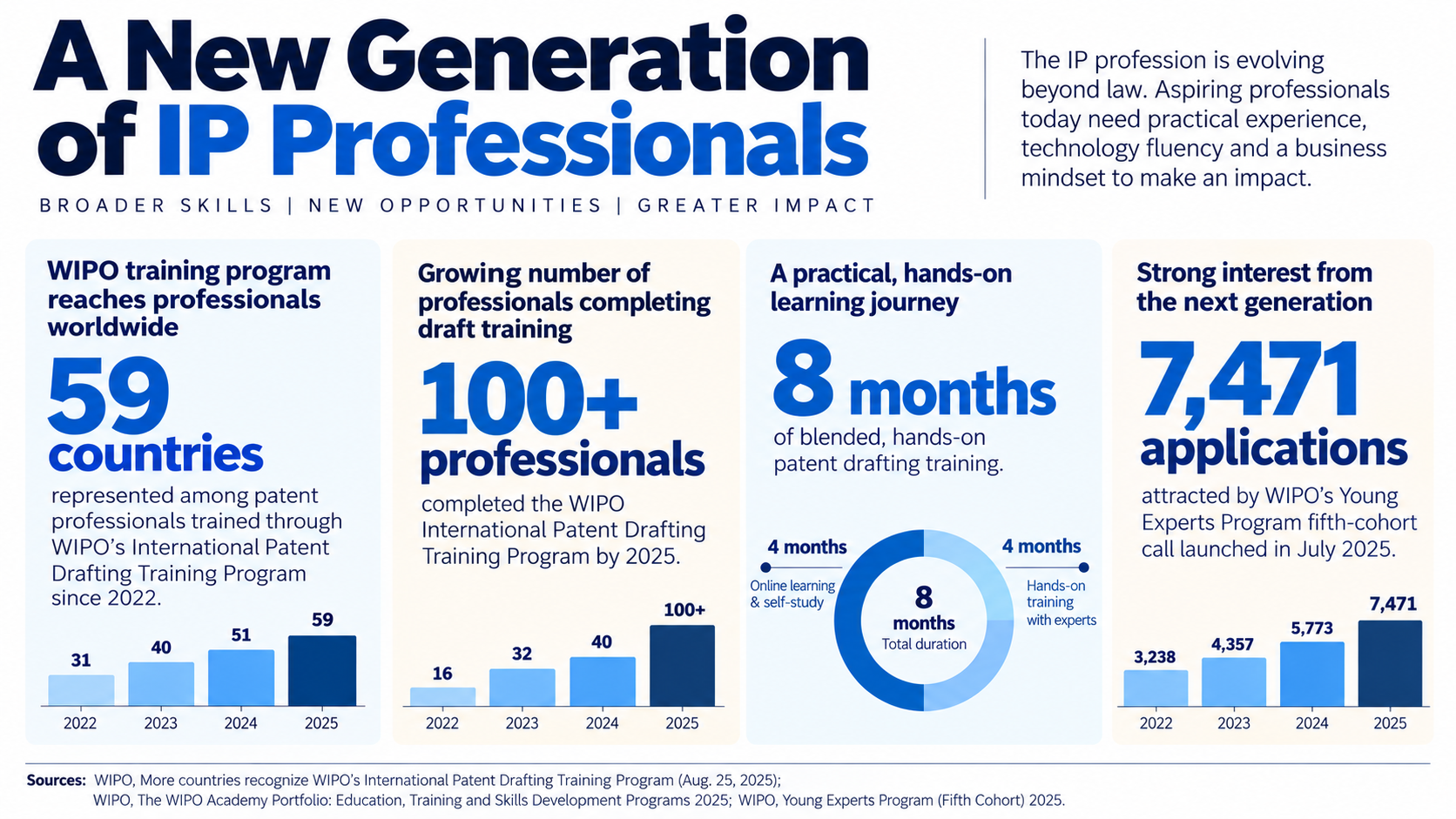
For a law student considering IP, the traditional route looks fairly straightforward: study intellectual property law, join a law firm or corporate legal team, learn the procedures and build experience
But the IP profession is becoming broader
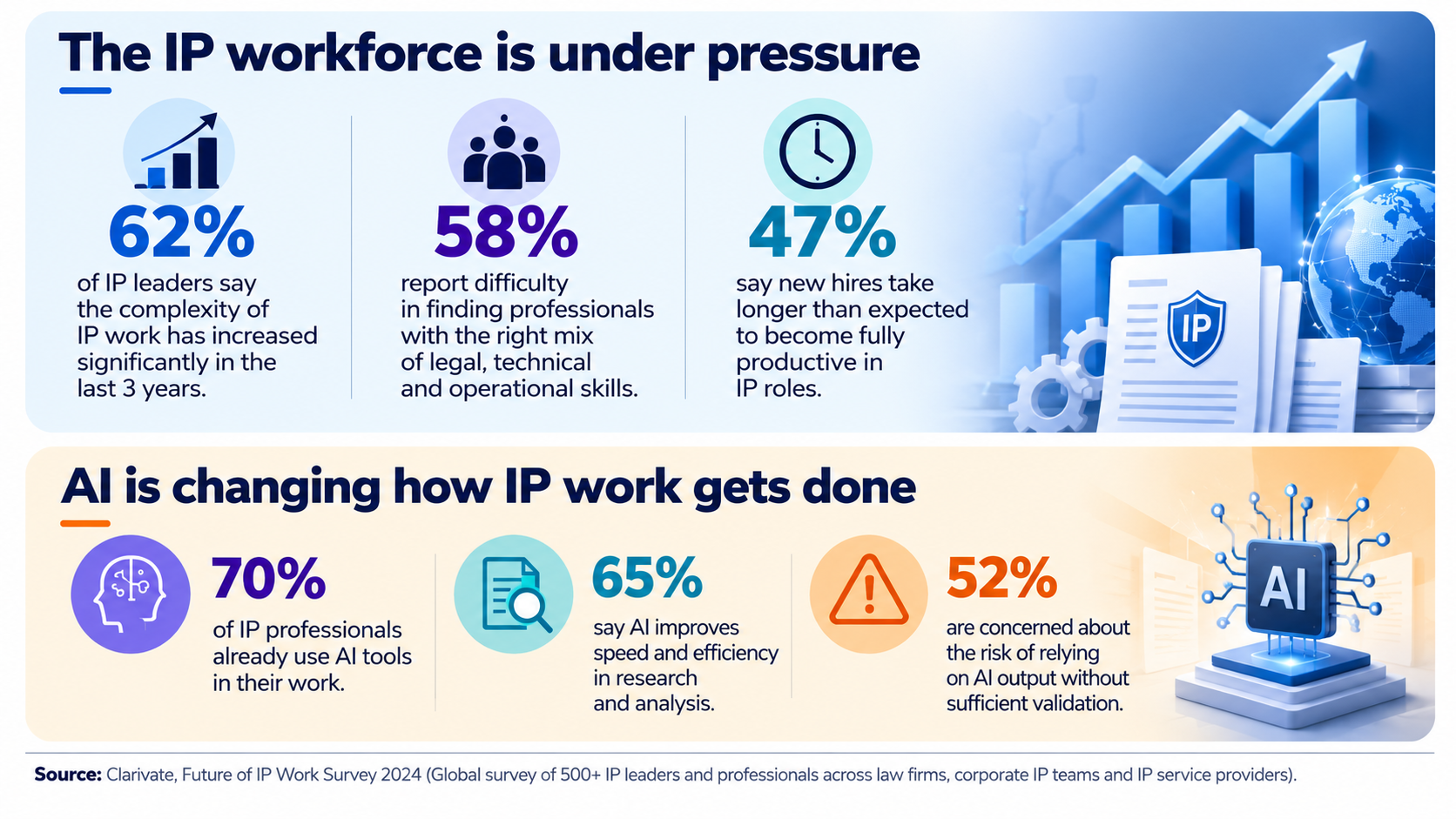
A patent professional may now work alongside engineers, data scientists, product teams and AI tools. A trademark professional may need to understand digital brands and global markets. An IP analyst may be expected to turn large volumes of information into business insight
The question for someone entering the profession is therefore changing from “Do I know IP law?” to “Can I apply IP knowledge to real problems?”
Recent developments in IP education reflect this shift
WIPO's International Patent Drafting Training Program had trained professionals from 59 countries, with more than 100 professionals completing the program by 2025. The program takes an eight-month, practice-oriented approach involving drafting exercises, expert workshops, mentoring and assessment
That emphasis on practical capability is significant
A young professional may understand what an independent claim is. But can they draft one from a technical disclosure? Can they identify the inventive concept? Can they assess prior art? Can they explain the commercial importance of the resulting patent
Those are very different skills
The same direction appears in WIPO's 2025 education portfolio. Its programs increasingly emphasise case studies, simulations, group work, internships and work placements, rather than knowledge acquisition alone
There is also a new technology layer
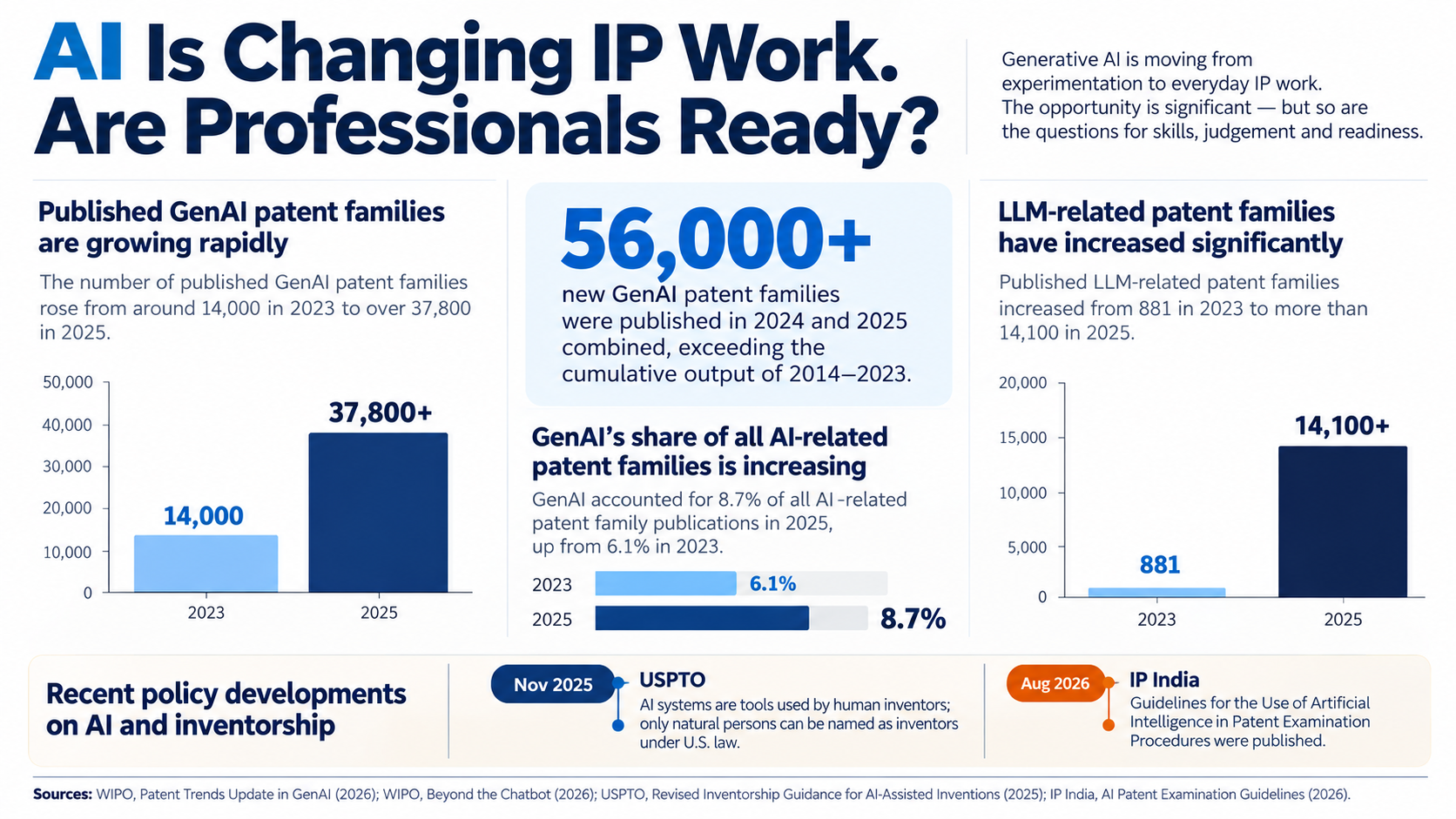
AI is changing how patent searches, document analysis and other IP tasks can be performed. The USPTO's 2025 AI strategy specifically identified developing AI expertise within its workforce as one of its priorities
For aspiring professionals, that does not mean becoming an AI engineer
It means becoming comfortable enough with technology to understand what a tool can do, where it can fail and when professional judgment is required. There is another important shift: IP is becoming more closely connected to business
The strongest young professionals will increasingly need to understand why a company wants protection, which markets matter, how IP supports products and when an IP right creates commercial value
So the career formula is changing
IP knowledge + practical experience + technology fluency + commercial understanding
A law degree can open the door. But what happens after entering the room will depend on what an aspiring IP professional can actually do. The opportunity is significant. The profession is evolving. The next generation needs to evolve with it.